
Choosing Plants for Shade and Dappled Light
Shade and dappled light can feel limiting at first, but these conditions often support some of the most graceful and adaptable garden plants. The key is matching each area’s light pattern, moisture, and root competition with plants that are suited to them.
Explore ↗
Understand the kind of shade you have
Not all low-light areas behave the same way. Deep shade, bright shade, and shifting dappled light each support different plant forms and textures. Before choosing plants, watch the space at several times of day and note how long direct sun actually reaches the ground.
Dappled light under open trees usually changes through the day and season, which can be ideal for many understory plants. Dense shade beside buildings or fences is more limiting, especially if the soil is also dry from overhangs or root competition.
Helpful questions to ask include:
How many hours of direct sun does the site receive?
Does the light come from overhead trees, reflected light, or brief morning sun?
Is the soil consistently moist, evenly damp, or dry between watering?
Do tree roots make digging and watering difficult?
- Deep shade: very little direct sun, often under dense canopy or north-facing walls
- Bright shade: filtered light with strong ambient brightness
- Dappled light: moving patches of sun and shade, often beneath deciduous trees
- Dry shade: low light plus competition from roots or structures
Choose foliage first, then flowers
In shade, foliage usually carries the design. Leaves can provide texture, contrast, and seasonal interest even where flowers are brief or subtle. Look for plants with different leaf sizes and shapes so the planting reads clearly in lower light.
Large leaves can brighten a dim corner and soften hard edges, while fine or divided foliage adds detail and movement. Variegated leaves can help lift darker spaces, but they work best in moderation so the planting does not become visually scattered.
Good foliage choices often share one or more of these traits:
Tolerate shade without stretching thin
Hold their form through the growing season
Show clear texture from a distance
Complement nearby bark, stone, or evergreen structure
- Use broad leaves to create a lush, calm effect
- Use finely cut leaves to add delicacy and contrast
- Mix glossy and matte surfaces for visual depth
- Repeat leaf shapes to make a shaded area feel cohesive
Select flowering plants that can still perform
Shade flowers often do best when they are supported by healthy foliage and steady moisture. Instead of expecting constant bloom, look for plants that offer a reliable flowering window and good post-bloom structure. In many shaded gardens, a modest number of well-placed flowers is more effective than forcing bright, sun-loving species to struggle.
For dappled light, flowering plants with a woodland habit are often a strong fit because they are adapted to intermittent sun. In deeper shade, prioritize plants where flower color is an added benefit rather than the main event.
When evaluating flowering options, consider:
Bloom timing and whether it fills a gap in the garden calendar
Flower visibility against surrounding foliage
Whether stems stay upright without too much stretching
How much moisture the plant needs during establishment
- Pair flower color with foliage contrast for better visibility
- Choose plants that bloom in sequence rather than all at once
- Avoid crowding, which can reduce air movement and invite disease
- Use repeated clusters instead of scattering single plants
Use understory plants to solve difficult spots
Under trees or along shaded borders, understory plants can handle partial root competition and create a layered look. These plants tend to be more forgiving in spaces where sunlight is filtered, soil is uneven, and irrigation is inconsistent.
Ground-level layers are useful for suppressing bare patches and making the garden feel finished. Mid-height plants can bridge the gap between low edging and taller shrubs, while taller shade-tolerant plants provide vertical rhythm without overwhelming the site.
Try to match the plant layer to the site’s function:
Low growers for edging, gaps, and root-dense areas
Mid-height plants for visual fullness and seasonal interest
Taller understory plants for backdrops, screening, or anchoring corners
- Look for plants that tolerate dry shade if tree roots are active
- Use layered planting to reduce exposed soil
- Leave enough room for mature spread so plants do not compete too quickly
- Favor plants with strong stems and tidy habit in narrow spaces
Plant with maintenance in mind
The best shade planting is not only attractive at installation; it also remains manageable as conditions change. Shade areas often become denser over time as trees mature, so choose plants that can cope with gradual shifts in light. In dappled sites, a plant that thrives today may receive more sun later or less sun as canopies fill in.
Successful shade gardens usually depend on careful spacing, regular watering during establishment, and occasional thinning to keep light moving through the planting. If the area is dry, mulching and deep watering are especially important because surface watering rarely reaches competing roots.
Before planting, assess whether the site needs loosening, moisture improvement, or a change in plant density. Then choose a smaller group of plants with compatible needs rather than a wide mix that demands different care routines.
Auxo Gardens can support inquiries about shade-site plant selection, plant combinations for tree canopies, and how to adapt planting plans when a garden area receives changing light through the season.
- Choose plants that suit the site as it changes over time
- Group plants by similar water needs
- Leave access for watering and light maintenance
- Expect to adjust choices if tree cover increases or neighboring structures cast more shade
Discover
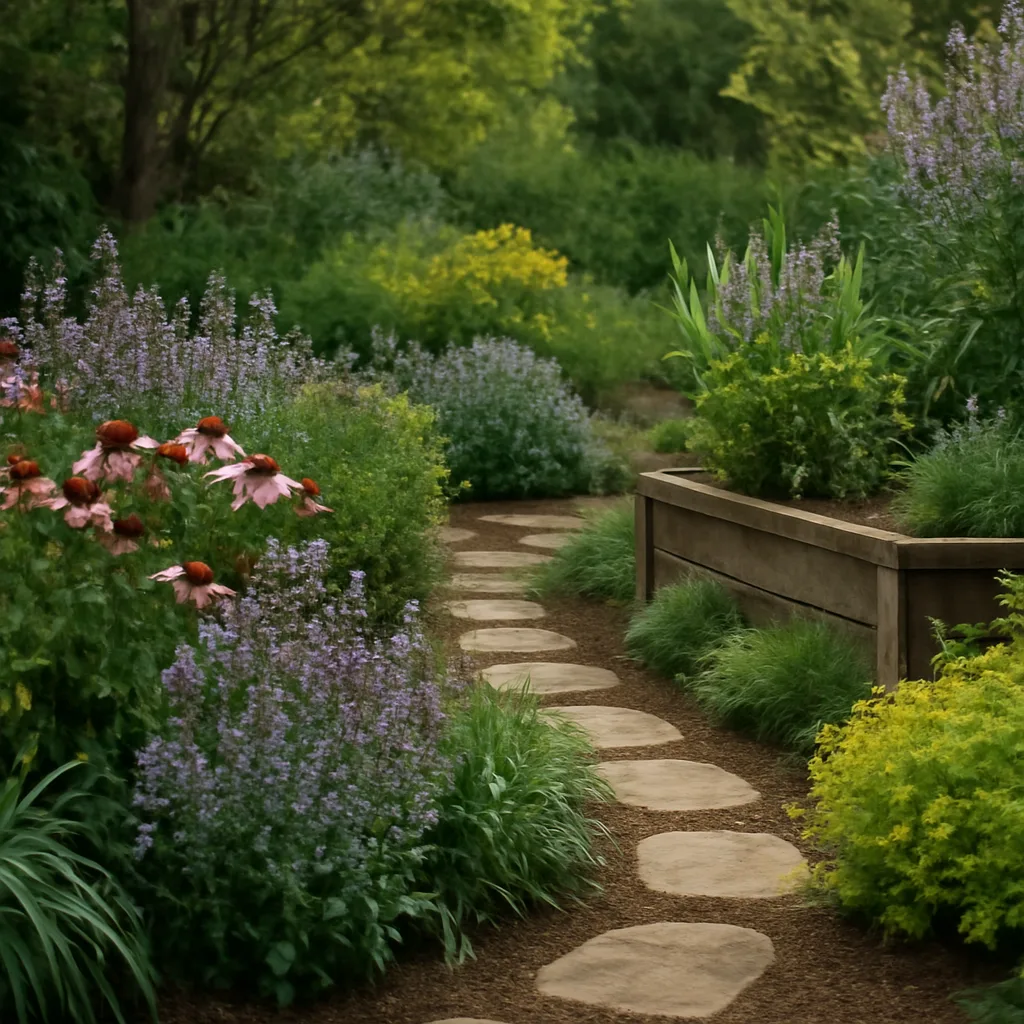
Planning a Small Garden from Scratch
A practical guide to reading light, mapping usable zones, and setting clear priorities before you plant a small garden.
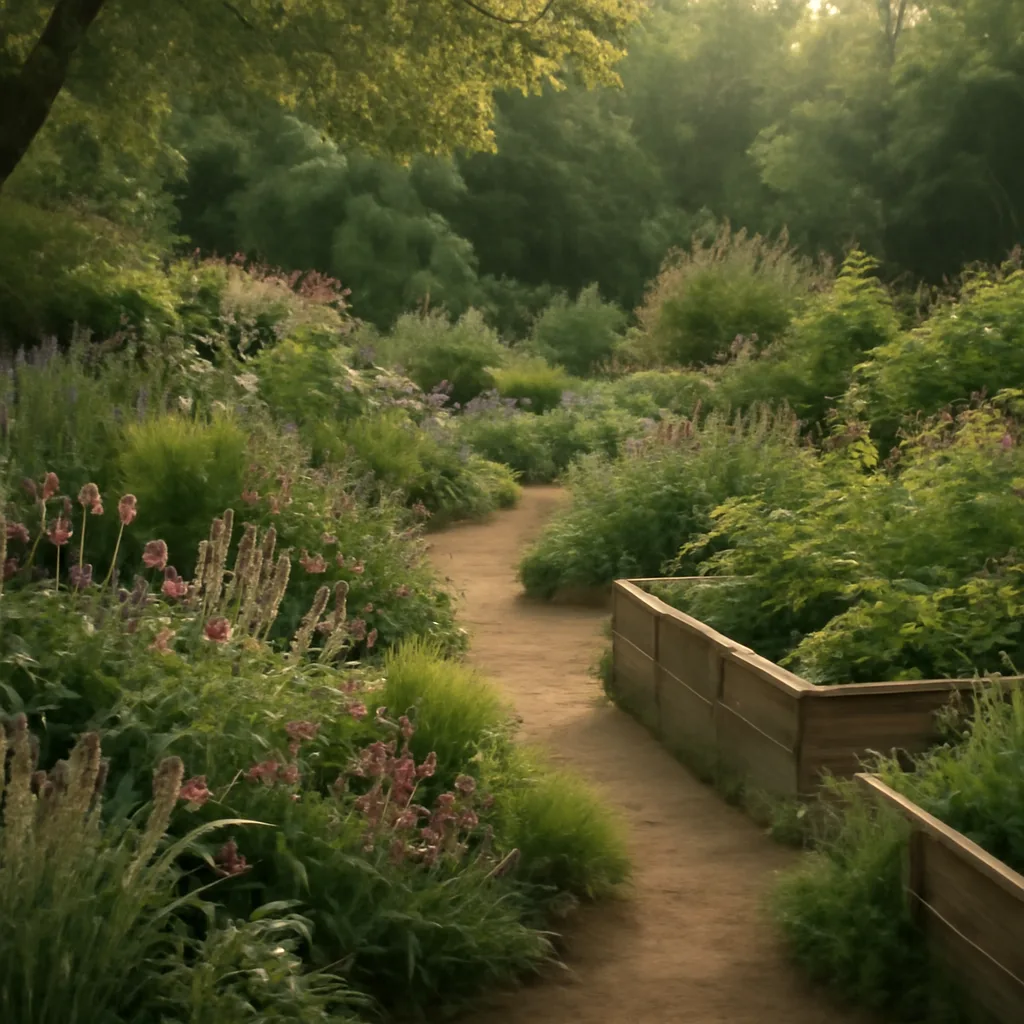
Building Healthy Soil for Long-Term Growth
Learn how soil texture, organic matter, and simple maintenance routines work together to support steady plant performance over time.
Seasonal Care for Beds, Borders, and Containers
Practical year-round guidance for pruning, feeding, watering, and cleanup in beds, borders, and containers.
Using Paths, Edges, and Focal Points in Garden Layouts
Learn how paths guide movement, edges sharpen transitions, and focal points give garden layouts structure, rhythm, and a finished look.