
Design
Good garden design starts with a clear structure and ends with a space that feels easy to move through, maintain, and enjoy. At Auxo Gardens, the goal is to shape gardens that look composed in every season, with planting and hardscape working together rather than competing for attention.
Explore ↗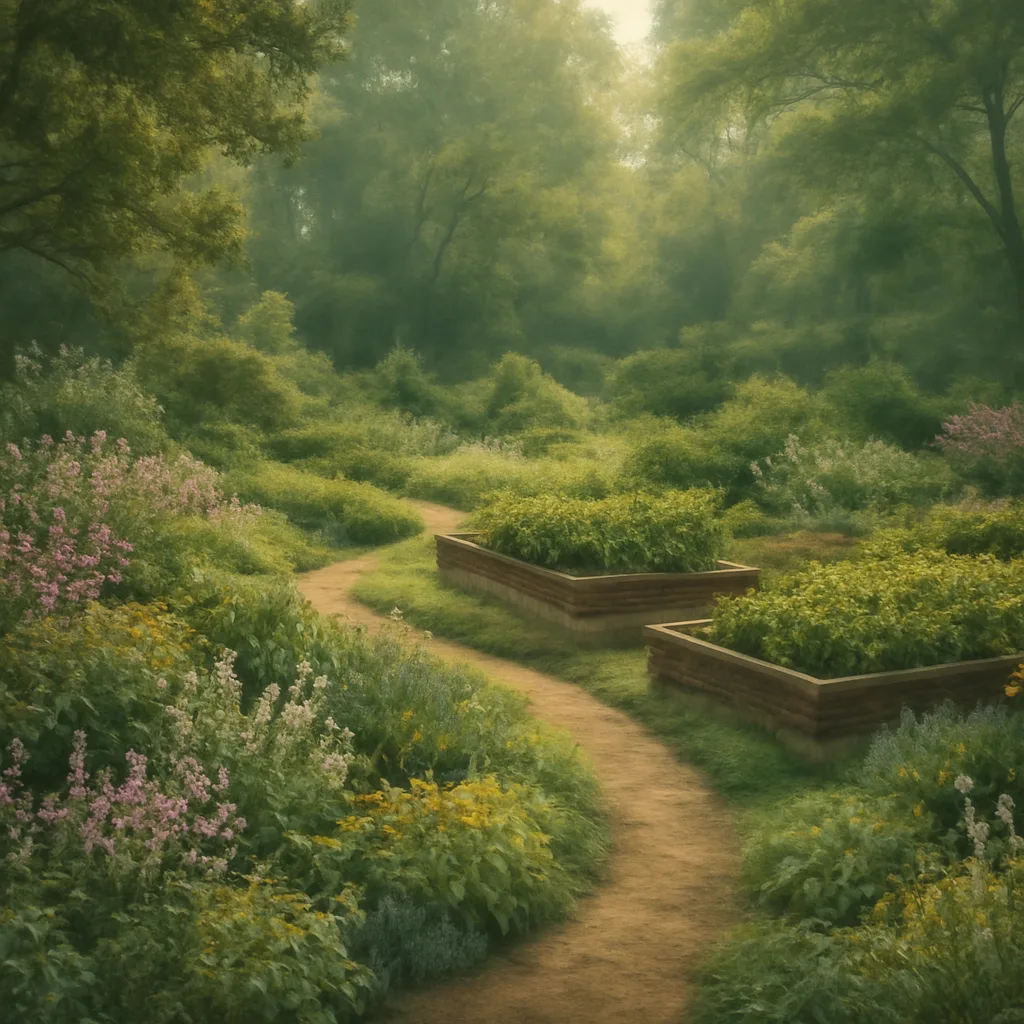
Start with the site you already have
Before choosing plants or materials, study the garden as it is. Note where water lingers after rain, which areas dry quickly, where wind funnels through, and how sun moves across the space during the day. These patterns shape what will succeed and what will struggle.
Measure the usable area, but also pay attention to thresholds, sightlines, and the places where people naturally pause. A strong design respects circulation first, then layers planting around those movement patterns so the garden feels intentional instead of crowded.
- Map sun, shade, wet spots, and dry edges.
- Identify entry points, views, and sitting areas.
- Keep service access and maintenance space in mind.
Build the layout around structure
Structure gives a garden its clarity. Use paths, walls, steps, raised beds, or a simple terrace line to define the main geometry of the space. Even a modest amount of hardscape can help organize planting and make the garden easier to read from indoors and outdoors.
Choose shapes that suit the architecture and the scale of the site. Straight lines can sharpen a compact garden, while gentle curves can soften larger spaces. The key is consistency: repeat a small number of forms so the design feels unified rather than busy.
- Limit the palette of hardscape materials.
- Repeat edges, lines, or shapes to create rhythm.
- Use structure to guide movement and frame views.
Layer plants from ground to canopy
Planting works best when it is arranged in layers. Start with trees or tall shrubs where vertical presence is needed, then add medium shrubs, perennials, grasses, and groundcovers to fill the space below. This approach creates depth and reduces the need for scattered single plants.
Think in masses rather than isolated specimens. Repeating compatible textures and forms helps the garden feel cohesive. A few bold plants can act as anchors, while lower layers knit the composition together and soften transitions between hard surfaces and open soil.
- Place taller elements first, then fill downward.
- Repeat plants in groups for stronger visual weight.
- Use lower layers to cover gaps and reduce visual clutter.
Balance hardscape with living material
Hardscape gives a garden durability, but too much can make a space feel rigid. Too little can leave it shapeless and difficult to use. Aim for a balanced ratio where paving, edging, and built elements support the planting without dominating it.
A useful approach is to let hardscape do the work of access and definition, while plants supply color, movement, and seasonal change. This balance can shift depending on the site: a compact courtyard may need more structure, while a wider border may benefit from softer planting and fewer fixed elements.
- Let planting overflow edges in controlled ways.
- Use repeating materials to avoid visual fragmentation.
- Reserve built features for the roles they truly need.
Refine the design through maintenance realities
A good plan should be attractive on paper and manageable in practice. Leave enough room for pruning, watering, mulching, and replanting. Avoid packing beds so tightly that mature plants have no space to grow or be reached without damage.
When reviewing a design, ask what will happen in year one, year three, and year five. Gardens change as plants fill in and surfaces weather. Designing with that future shape in mind helps the space stay balanced, legible, and adaptable over time.
- Allow for mature plant size, not just small starts.
- Keep access routes open for routine care.
- Review how the design will age as plants establish.
Discover
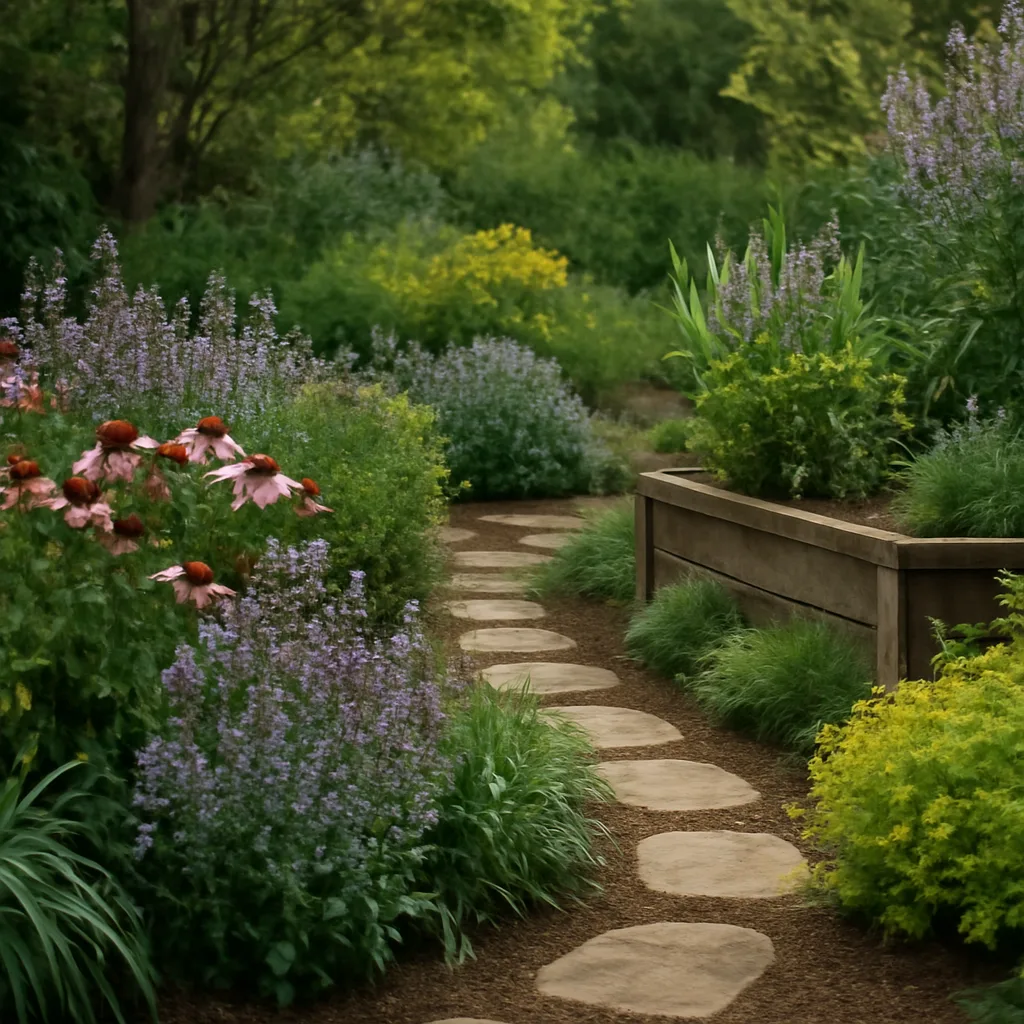
Planning a Small Garden from Scratch
A practical guide to reading light, mapping usable zones, and setting clear priorities before you plant a small garden.
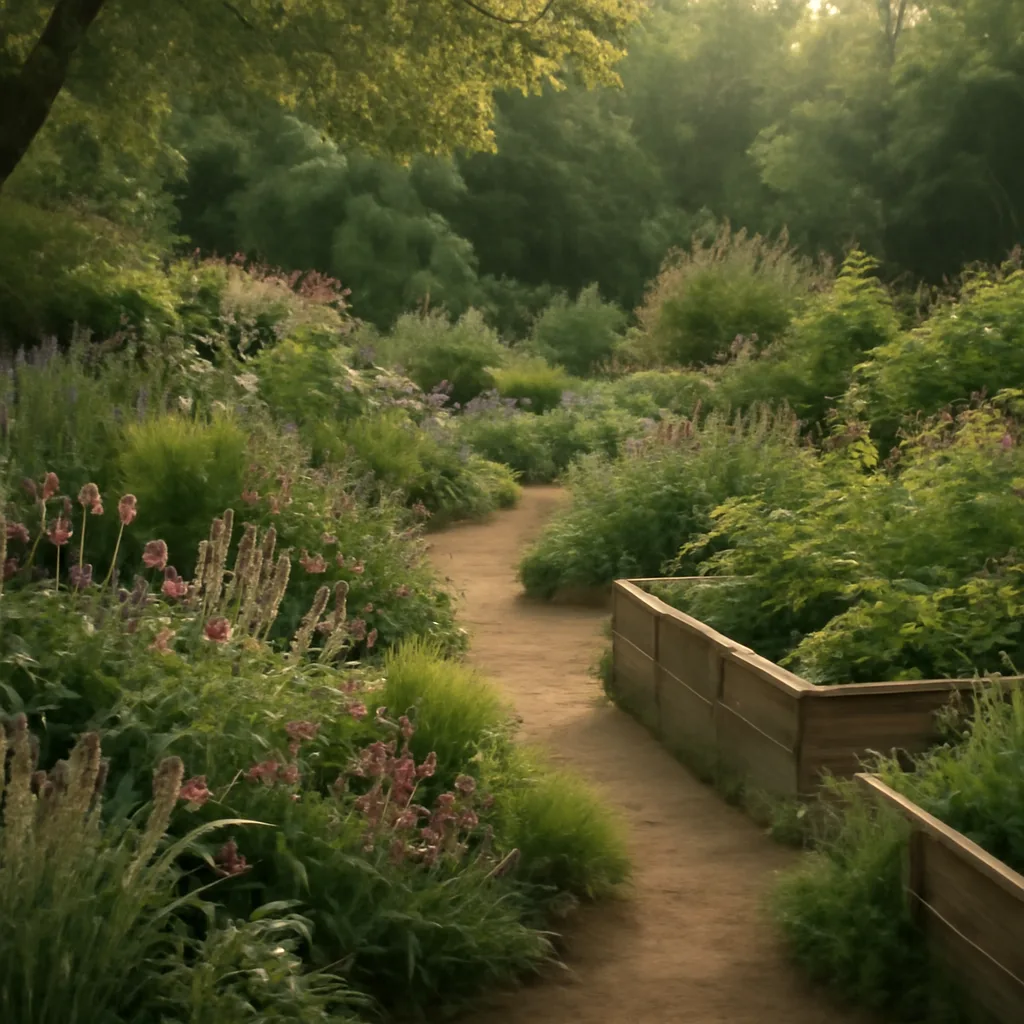
Choosing Plants for Shade and Dappled Light
Practical guidance for selecting foliage, flowering plants, and understory choices that perform well in shade and dappled light.
Building Healthy Soil for Long-Term Growth
Learn how soil texture, organic matter, and simple maintenance routines work together to support steady plant performance over time.
Seasonal Care for Beds, Borders, and Containers
Practical year-round guidance for pruning, feeding, watering, and cleanup in beds, borders, and containers.
Using Paths, Edges, and Focal Points in Garden Layouts
Learn how paths guide movement, edges sharpen transitions, and focal points give garden layouts structure, rhythm, and a finished look.