
Contact
If you have a question about a garden idea, a plant that is not performing well, or a layout you are trying to refine, this page explains the kinds of inquiries Auxo Gardens can help organize. Use it to frame your question clearly so the next step is easier, whether you are planning a new bed or improving an existing space.
Explore ↗
What to Ask About
Auxo Gardens is a good fit for questions that benefit from careful observation and practical next steps. That includes help with garden planning, plant selection, soil improvement, maintenance routines, seasonal timing, and ways to make a space feel more cohesive without overcomplicating it.
If you are reaching out about a specific garden challenge, focus on the setting, the problem, and what you want the space to do. A clear question makes it easier to discuss useful options instead of broad, generic advice.
- Garden planning for beds, borders, containers, and small outdoor spaces
- Plant selection for sun, shade, dry corners, or mixed conditions
- Maintenance ideas for pruning, watering, mulching, and cleanup
- Collaboration inquiries related to gardening and horticulture content
How to Describe Your Space
When you explain your garden, include the details that influence plant growth and day-to-day care. Note whether the area gets morning sun, afternoon sun, or mostly shade, and describe the soil as best you can, even if it is only your own impression of drainage and texture.
It also helps to mention what is already there: mature shrubs, trees, hardscape, containers, or areas that are difficult to access. These details make plant and layout suggestions more realistic and easier to adapt.
- Approximate size or shape of the area
- Light pattern across the day and through the seasons
- Soil drainage, moisture level, and any compacted spots
- Existing features you want to keep, change, or hide
Useful Questions to Include
A focused question is usually more helpful than a long list of unrelated goals. If you are unsure where to start, choose one main problem and one main outcome. For example, you might want more seasonal interest, lower maintenance, better structure, or a planting plan that feels calmer and more balanced.
If you are asking about a plant, include how it has been growing, what it is planted near, and what you have noticed about leaf color, flowering, or stress. Small observations often point toward the real issue.
- What is not working now
- What result you want instead
- What you have already tried
- Any constraints such as shade, pets, wind, or limited time
For Collaboration Inquiries
If your interest is editorial or collaborative, keep the note centered on the topic, audience, and scope rather than assumptions about services. Clear context helps determine whether the idea fits the site’s focus on practical gardening and horticulture content.
Helpful details include the subject area, the format you have in mind, and why the topic would be useful to readers. That keeps the conversation specific and avoids back-and-forth guesswork.
- Topic or angle you want to discuss
- Intended format, such as article, guide, or educational feature
- What audience the content is meant to serve
- Any timing or scope constraints
Before You Send Your Question
A little preparation can make your inquiry more useful. Review the site topic you are asking about, gather photos or notes if you have them, and think through what kind of answer would actually help you move forward. Practical details are more valuable than long background stories.
If your question is about a garden problem, include the conditions around it rather than only the symptom. If it is about planning, describe the space and the feel you want. That context leads to better, more grounded guidance.
- State the main issue in one sentence
- Add site conditions, timing, and constraints
- Say what outcome would count as success
- Keep the question specific and actionable
Discover
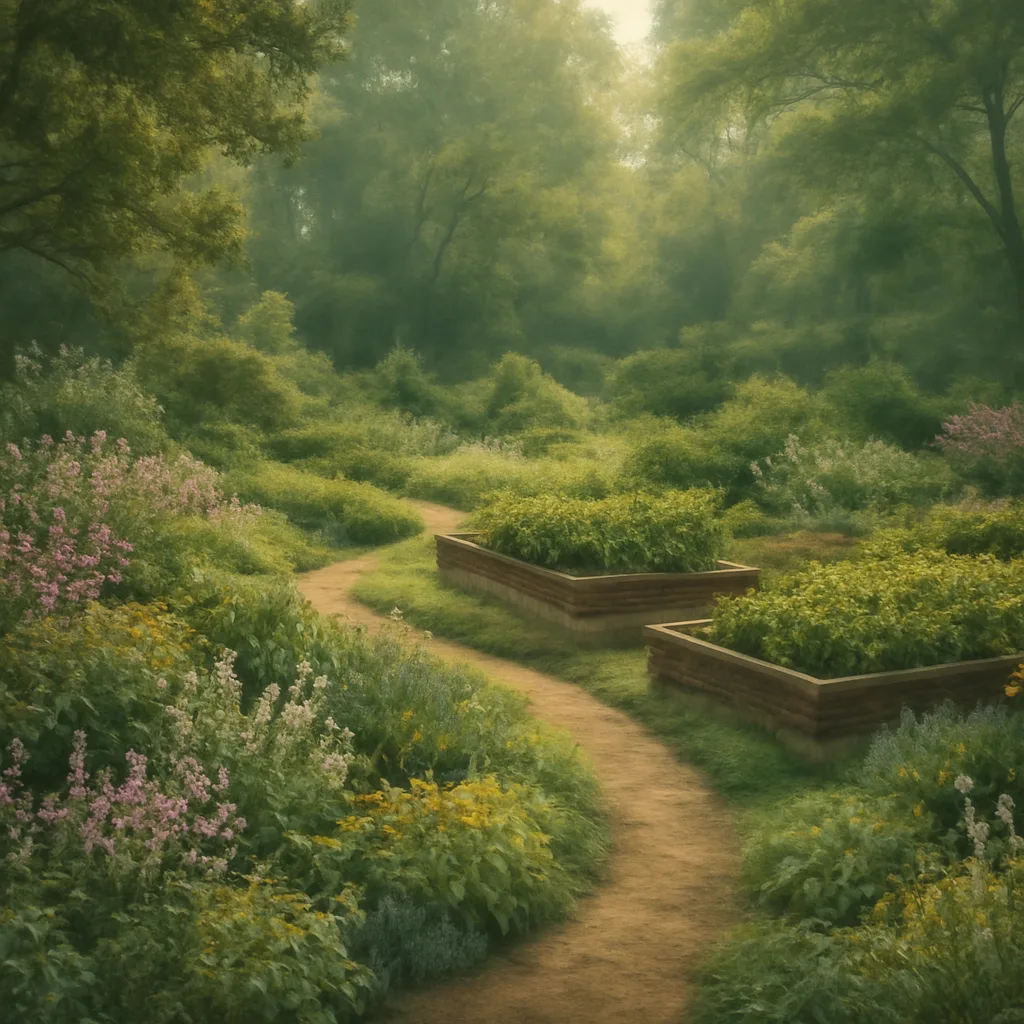
Planning a Small Garden from Scratch
A practical guide to reading light, mapping usable zones, and setting clear priorities before you plant a small garden.
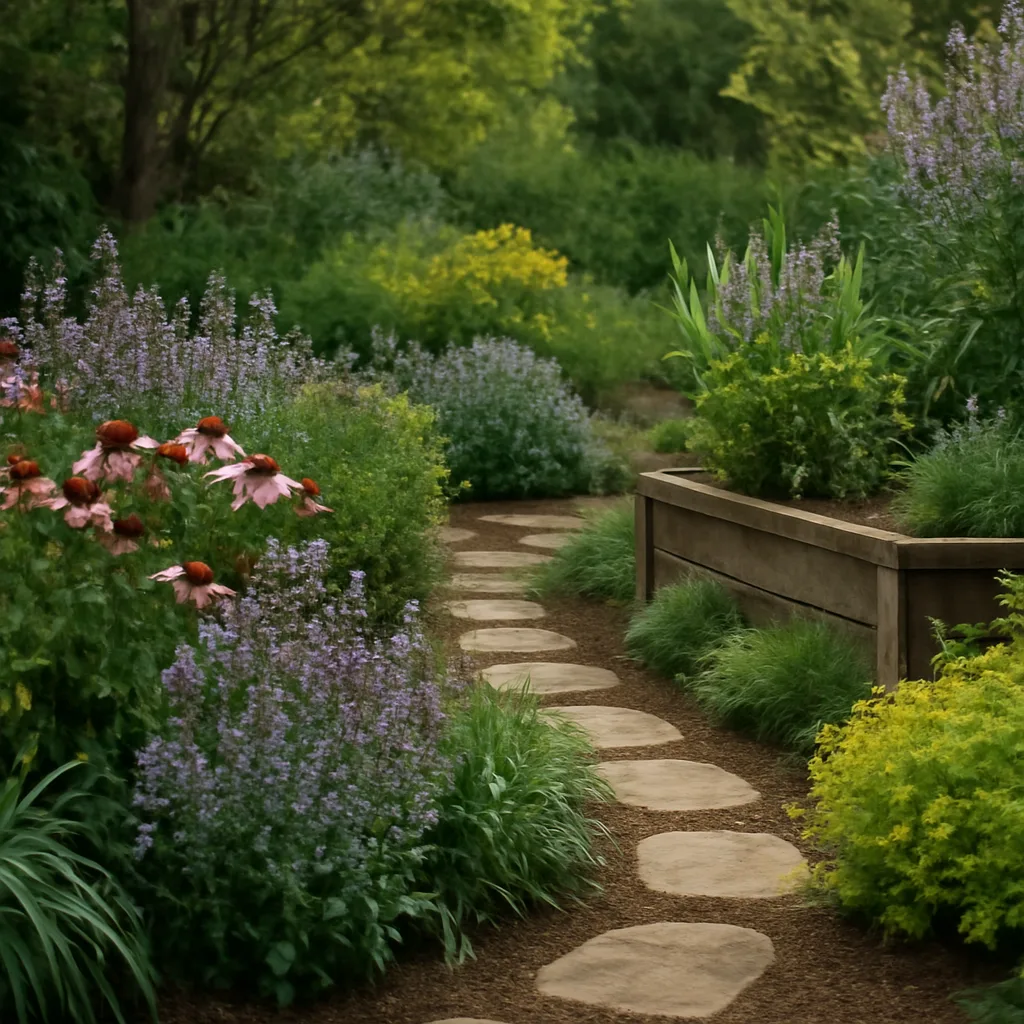
Choosing Plants for Shade and Dappled Light
Practical guidance for selecting foliage, flowering plants, and understory choices that perform well in shade and dappled light.
Building Healthy Soil for Long-Term Growth
Learn how soil texture, organic matter, and simple maintenance routines work together to support steady plant performance over time.
Seasonal Care for Beds, Borders, and Containers
Practical year-round guidance for pruning, feeding, watering, and cleanup in beds, borders, and containers.
Using Paths, Edges, and Focal Points in Garden Layouts
Learn how paths guide movement, edges sharpen transitions, and focal points give garden layouts structure, rhythm, and a finished look.