The Benefits of Native Plants in Landscaping
Using native plants in your landscaping supports local ecosystems while reducing maintenance needs. These plants are adapted to the regional climate and soils, making them resilient and beneficial additions to any garden.
Explore ↗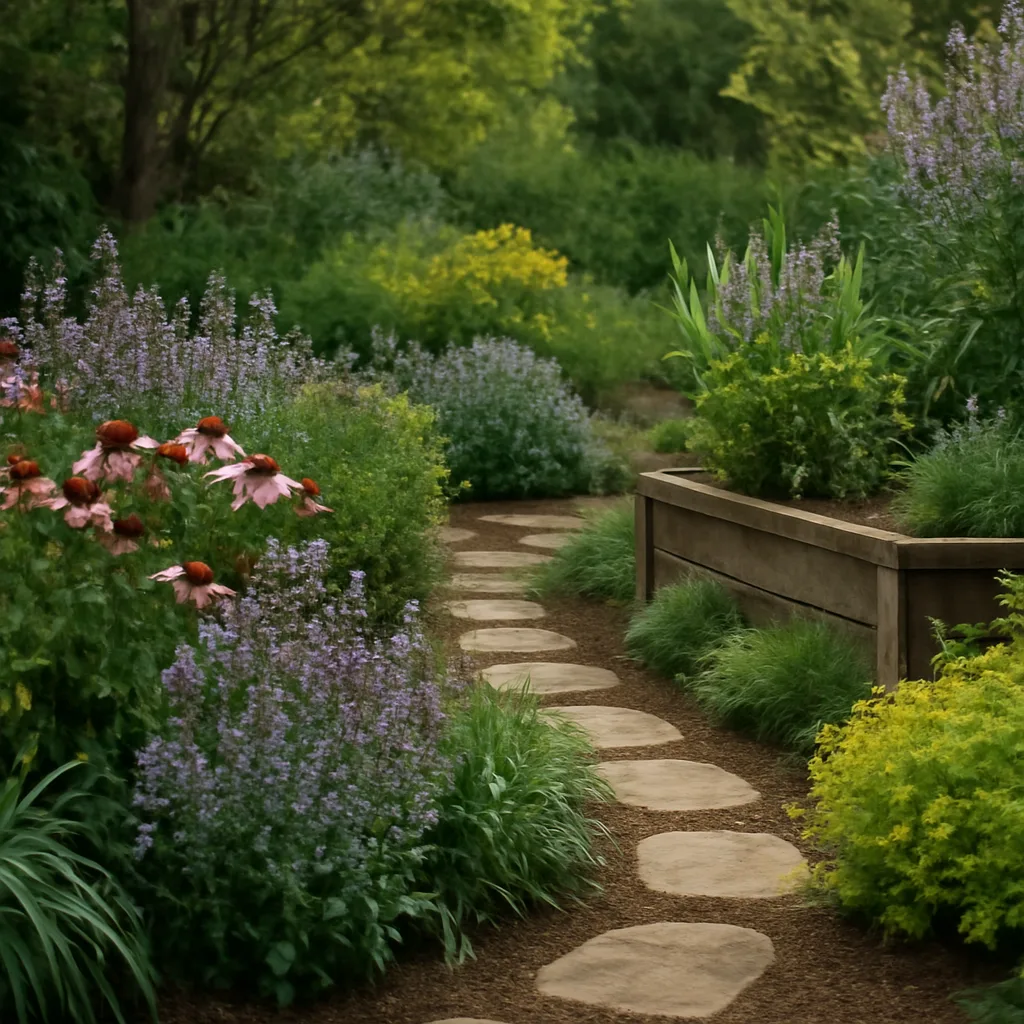
Enhancing Local Biodiversity
Native plants provide essential habitat and food sources for native wildlife such as birds, butterflies, and beneficial insects. Their presence supports complex ecological relationships that non-native species often fail to sustain. By integrating native species, gardeners contribute to maintaining and increasing biological diversity in their communities.
- Provide nectar and pollen for native pollinators
- Offer shelter and nesting sites for local birds and insects
- Support soil microorganisms that coexist with native roots
Adaptation to Local Climate and Soils
Native plants have evolved in the local climate and soil conditions, giving them resilience against pests, diseases, and weather extremes. This means they often require less water, fertilizer, and chemical treatments than exotic species. Choosing natives reduces the need for additional resources and contributes to a more sustainable garden.
- Require less supplemental watering once established
- Tolerant of local soil types and nutrient levels
- Resistant to many common local pests and diseases
Reduced Maintenance Requirements
Because native plants are well-suited to their environment, they demand less intensive care such as pruning, fertilizing, or pest control. This makes them ideal for gardeners seeking a lower-maintenance landscape that still offers attractive foliage, flowers, and seasonal interest.
- Less frequent watering compared to non-natives
- Lower fertilizer needs due to efficient nutrient uptake
- Minimal pruning to maintain plant health and appearance
Promoting Sustainable Gardening Practices
Incorporating native plants aligns with sustainable gardening by conserving water, reducing chemical inputs, and encouraging natural pest regulation. Such practices minimize environmental impacts and contribute to healthier soil and cleaner water runoff.
Using native species can be part of broader efforts including mulching, composting, and natural pest management techniques, creating a more self-sustaining garden ecosystem.
- Conserve water through drought-tolerant native species
- Limit chemical use by supporting natural pest predators
- Enhance soil health with native root systems
Tips for Selecting and Establishing Native Plants
When choosing natives, consider the specific site conditions such as sunlight, moisture, and soil type. Research species native to your immediate region to ensure compatibility. Gradually integrate natives into existing gardens for easier adaptation.
Planting during appropriate seasons and providing initial care such as mulching and watering will promote strong establishment and long-term success.
- Match plant choices to garden microclimates and soil conditions
- Purchase from reputable sources specializing in native plants
- Prepare the planting site by removing invasive species and loosening soil
Discover more
Choosing the Right Soil for Your Garden
Learn how to identify soil types and use amendments to create the ideal growing environment for your plants.
Seasonal Pruning Tips for Healthy Growth
Learn effective pruning schedules and techniques to enhance plant health and flowering throughout the seasons.
Creating Pollinator-Friendly Gardens
Learn how to select plants and garden features that welcome and support bees, butterflies, and other beneficial pollinators to your garden.
Sustainable Gardening Practices to Reduce Waste
Explore effective composting, water-saving techniques, and eco-friendly pest control methods for greener gardens.
Designing Small Urban Gardens
Practical ideas and plant selections to maximize green spaces in limited urban environments.
Guide to Indoor Plant Care
Essential tips on light, watering, and humidity for thriving indoor plants. Learn to create the perfect environment for your green companions.