Creating Pollinator-Friendly Gardens
Pollinators like bees and butterflies play a crucial role in the health of gardens and ecosystems. Creating a pollinator-friendly garden not only supports these essential creatures but also enhances your garden’s productivity and beauty. This guide covers practical steps to attract and sustain pollinators through thoughtful plant selection and garden design.
Explore ↗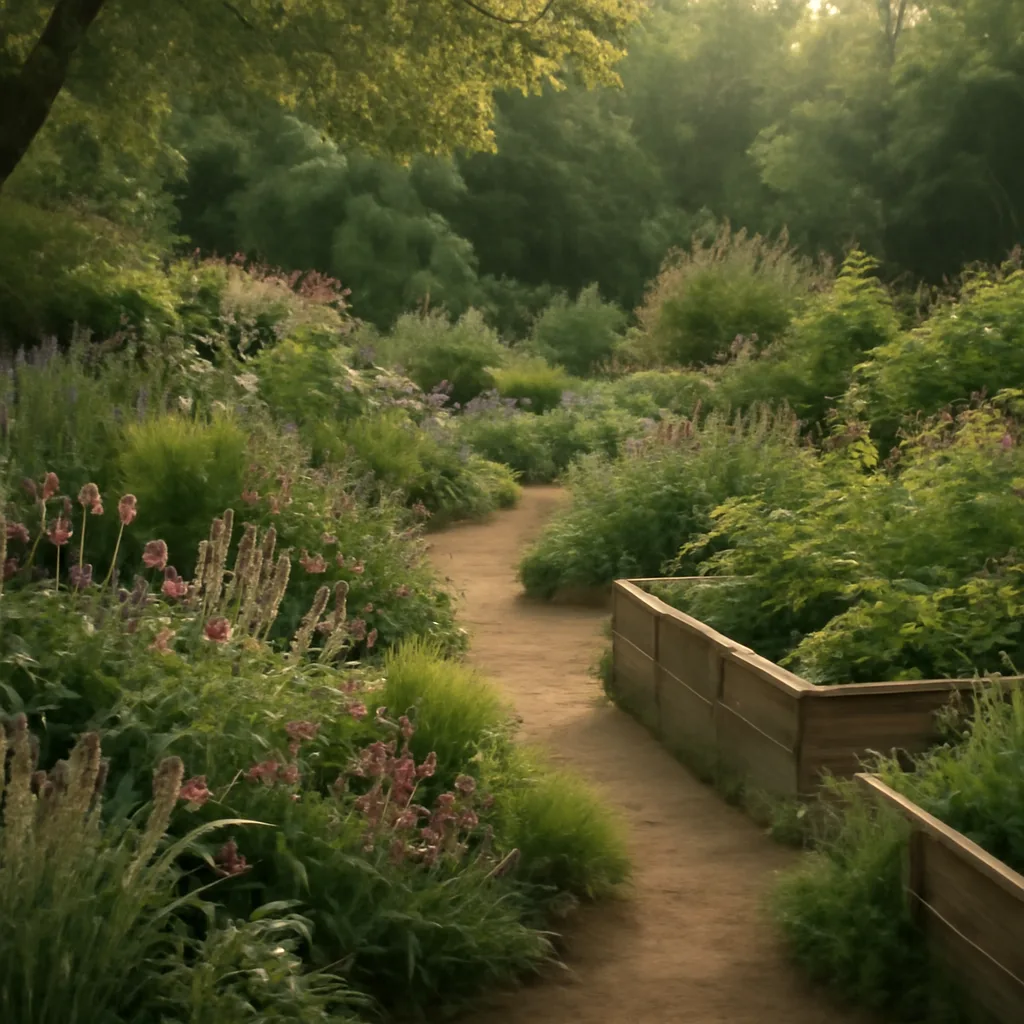
Why Pollinator-Friendly Gardens Matter
Pollinators are responsible for the fertilization of many flowering plants, including fruits and vegetables. Supporting pollinators helps maintain biodiversity and promotes a thriving garden environment. With pollinator populations facing challenges, dedicated garden spaces provide essential habitats and food sources.
- Boosts plant pollination and garden yields
- Supports local ecosystems and biodiversity
- Encourages natural pest control through ecosystem balance
Choosing the Right Plants to Attract Pollinators
Select a diverse range of native flowering plants with overlapping bloom times to provide nectar and pollen from early spring through late fall. Plants with bright colors, especially blues, purples, yellows, and pinks, tend to attract pollinators. Consider planting varieties with single blooms rather than double flowers, as they are easier for pollinators to access.
Avoid plants treated with pesticides or systemic insecticides, which can harm pollinators even if the plants appear healthy. Incorporate herbs, flowering shrubs, and trees alongside perennial flowers for continuous resources.
- Include native wildflowers, milkweed, coneflowers, and salvias
- Plant in clusters to provide easy foraging zones
- Mix ground covers, perennials, and shrubs for layered habitat
Creating Garden Features That Support Pollinators
Incorporate elements that provide water, shelter, and nesting opportunities to increase pollinator visits. Shallow water dishes with stones allow safe drinking spots. Mulch areas, bare patches of soil, or small brush piles offer nesting and resting habitats for different species.
Avoid excessive tidying that removes natural debris or potential nesting sites. A diversity of structural garden elements encourages a wider variety of pollinators to thrive.
- Provide shallow water sources with landing spots
- Leave some bare soil patches for ground-nesting bees
- Include logs or stems as shelter for insects
Maintaining a Pollinator-Friendly Garden Throughout the Seasons
Regularly monitor your garden to ensure it continues to meet pollinator needs. Extend blooming periods by planting species that flower in different seasons. Minimize pesticide use and consider organic methods for pest management. Deadhead spent flowers to promote more blooms and maintain plant health.
Be mindful during garden clean-up to retain overwintering sites such as seed heads and stems that house pollinators during colder months. Seasonal adaptations will keep your garden welcoming year-round.
- Plant late-blooming flowers to support autumn pollinators
- Use organic controls to manage pests safely
- Retain natural mulch and seed heads for overwintering
Additional Tips for Supporting Pollinators
Avoid monocultures and large expanses of a single plant species which may not provide sufficient resources. Instead, favor plant diversity and native species tailored to your region’s ecology. Educate visitors or neighbors about the importance of pollinator-friendly habits to expand support beyond your property.
Regularly observe pollinator activity to identify which plants are most effective and adjust garden design accordingly. Documenting bloom times and pollinator visits can improve your garden’s benefits over time.
- Diversify plant species and bloom times
- Focus on native plants adapted to local pollinators
- Share knowledge to encourage community involvement
Discover more
Choosing the Right Soil for Your Garden
Learn how to identify soil types and use amendments to create the ideal growing environment for your plants.
Seasonal Pruning Tips for Healthy Growth
Learn effective pruning schedules and techniques to enhance plant health and flowering throughout the seasons.
Sustainable Gardening Practices to Reduce Waste
Explore effective composting, water-saving techniques, and eco-friendly pest control methods for greener gardens.
Designing Small Urban Gardens
Practical ideas and plant selections to maximize green spaces in limited urban environments.
Guide to Indoor Plant Care
Essential tips on light, watering, and humidity for thriving indoor plants. Learn to create the perfect environment for your green companions.
Common Garden Pests and How to Manage Them
Identify typical garden pests and discover effective natural control methods to keep your plants healthy and thriving.