Vegetable Gardening Basics for Beginners
Starting a vegetable garden can be a rewarding and sustainable way to enjoy fresh produce. This guide covers the essential steps to help beginners cultivate their own thriving vegetable garden.
Explore ↗
Planning Your Vegetable Garden
Before planting, assess your available space and sunlight exposure. Most vegetables require at least six hours of direct sunlight daily. Choose a garden location that meets these conditions and has easy access to water.
Decide which vegetables you want to grow based on your local climate, season, and personal preferences. Starting with a few easy-to-grow varieties can build confidence and increase your chances of success.
- Select a site with full sun for most vegetables
- Consider nearby water sources for convenient irrigation
- Plan garden layout for adequate spacing and airflow
- Choose vegetables suited to your growing season and climate
Preparing the Soil
Healthy soil is the foundation of a productive vegetable garden. Begin by removing weeds, rocks, and debris from your selected area.
Incorporate organic matter like compost or aged manure into the soil to improve fertility and structure. Testing soil pH can help you understand its condition and whether amendments are needed. Most vegetables prefer a slightly acidic to neutral pH range, approximately 6.0 to 7.0.
- Clear garden bed of weeds and debris
- Add compost or organic matter to enrich soil
- Loosen soil to improve drainage and root penetration
- Test soil pH and adjust as necessary
Starting Seeds and Planting
You can start your vegetables by sowing seeds directly into the garden or by transplanting seedlings. Direct seeding works well for root crops and vegetables that don't transplant easily, while seedlings can accelerate the growing season for others.
Follow seed packet instructions for depth and spacing to prevent overcrowding and encourage healthy growth. Keep soil moist but not waterlogged during germination.
- Choose between direct sowing and transplanting seedlings
- Plant seeds at recommended depth and spacing
- Maintain consistent soil moisture during establishment
- Thin seedlings as needed to avoid competition
Watering and Maintenance
Regular watering is critical, especially during dry spells. Aim to water deeply and less frequently to encourage strong root development.
Mulching around plants helps retain soil moisture, suppress weeds, and regulate soil temperature. Monitor your garden regularly for signs of pests or disease and take early action to manage issues.
- Water deeply to promote deep roots
- Apply mulch to conserve moisture and reduce weeds
- Inspect plants regularly for pests and diseases
- Remove affected leaves or use organic controls when necessary
Harvesting and Enjoying Your Produce
Harvest vegetables at their peak for best flavor and nutrition. Each type of vegetable has indicators for maturity, such as size, color, or firmness.
Regular harvesting can also encourage plants to produce more. Handle produce gently to avoid bruising and store it appropriately to extend freshness.
- Know the signs of vegetable maturity before harvesting
- Pick regularly to encourage continued production
- Handle vegetables carefully to prevent damage
- Store harvested produce in cool, dry conditions
Discover more
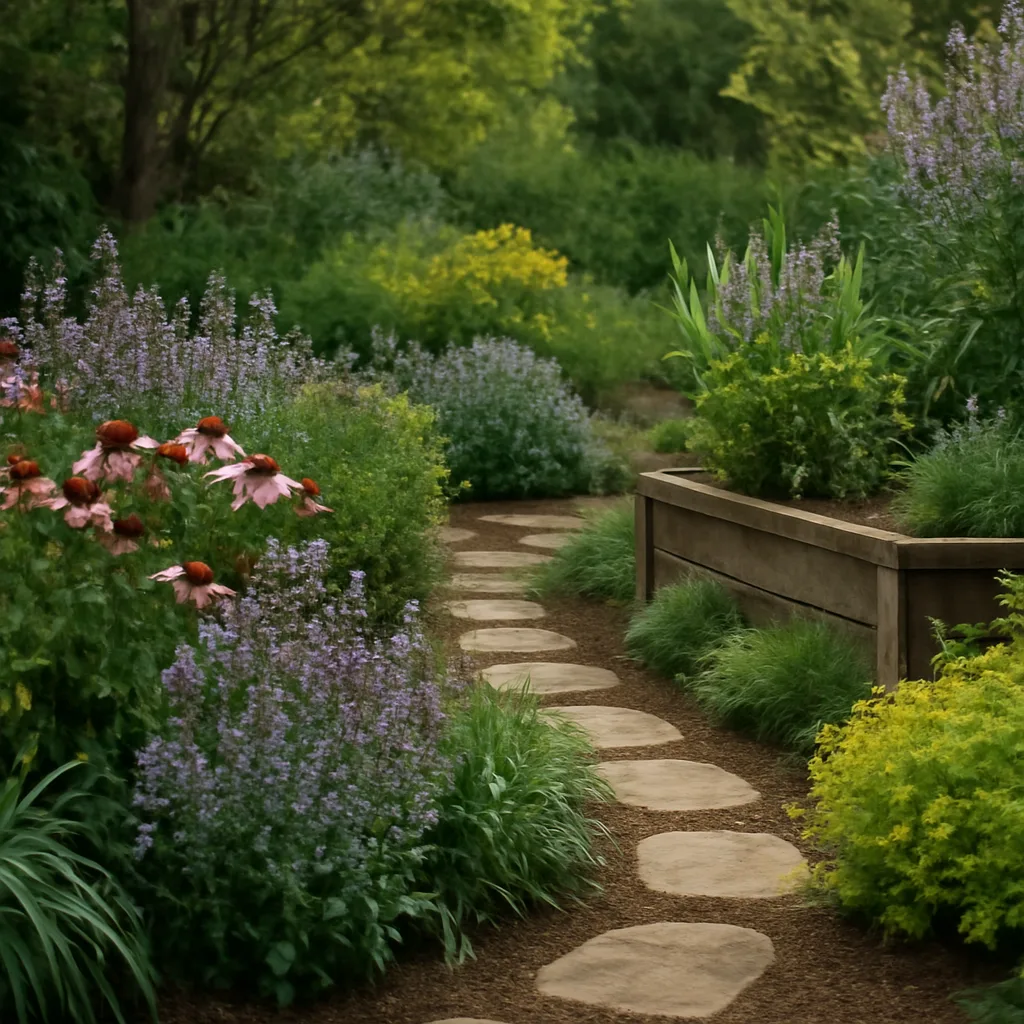
Choosing the Right Soil for Your Garden
Learn how to identify soil types and use amendments to create the ideal growing environment for your plants.
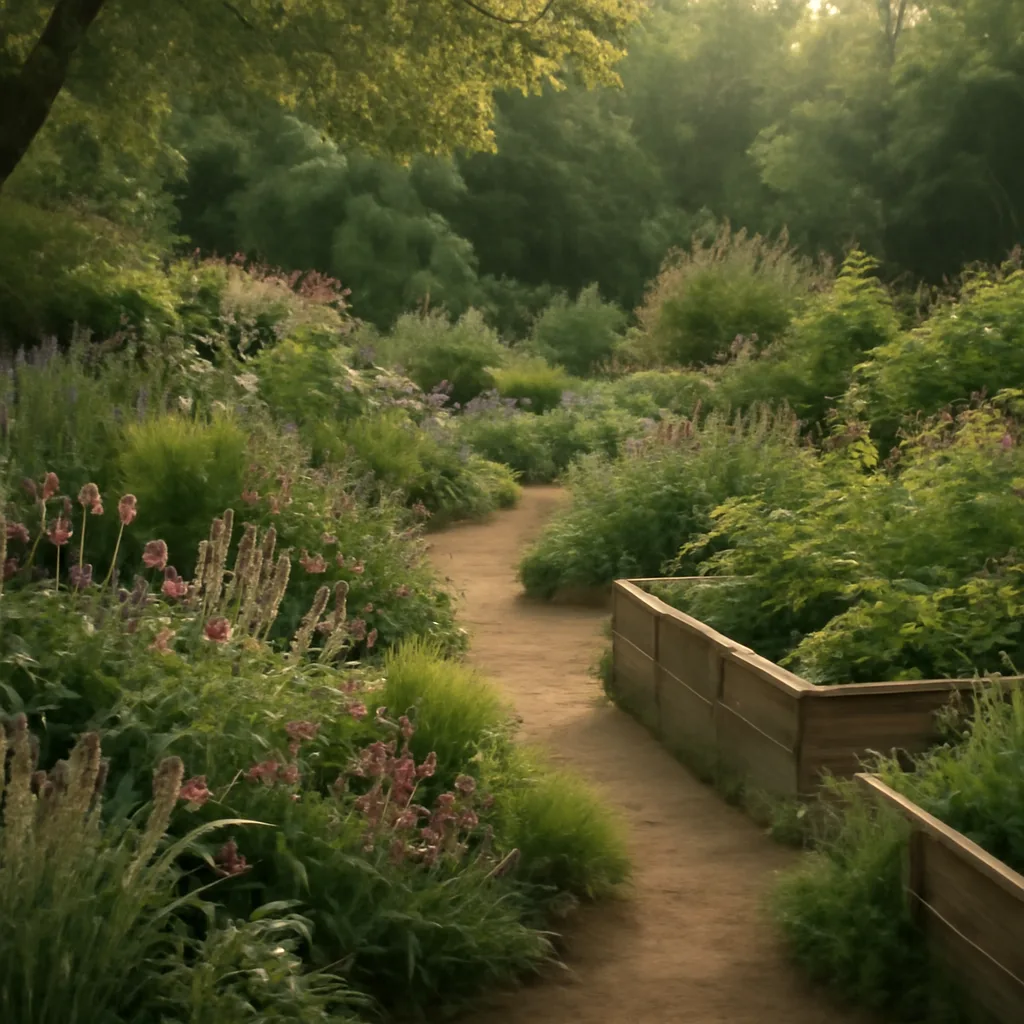
Seasonal Pruning Tips for Healthy Growth
Learn effective pruning schedules and techniques to enhance plant health and flowering throughout the seasons.
Creating Pollinator-Friendly Gardens
Learn how to select plants and garden features that welcome and support bees, butterflies, and other beneficial pollinators to your garden.
Sustainable Gardening Practices to Reduce Waste
Explore effective composting, water-saving techniques, and eco-friendly pest control methods for greener gardens.
Designing Small Urban Gardens
Practical ideas and plant selections to maximize green spaces in limited urban environments.
Guide to Indoor Plant Care
Essential tips on light, watering, and humidity for thriving indoor plants. Learn to create the perfect environment for your green companions.