Designing Small Urban Gardens
Urban living often means limited outdoor space, but even small areas can become vibrant gardens. This guide offers practical design ideas and suitable plants to help you create a refreshing green oasis, no matter your urban setting.
Explore ↗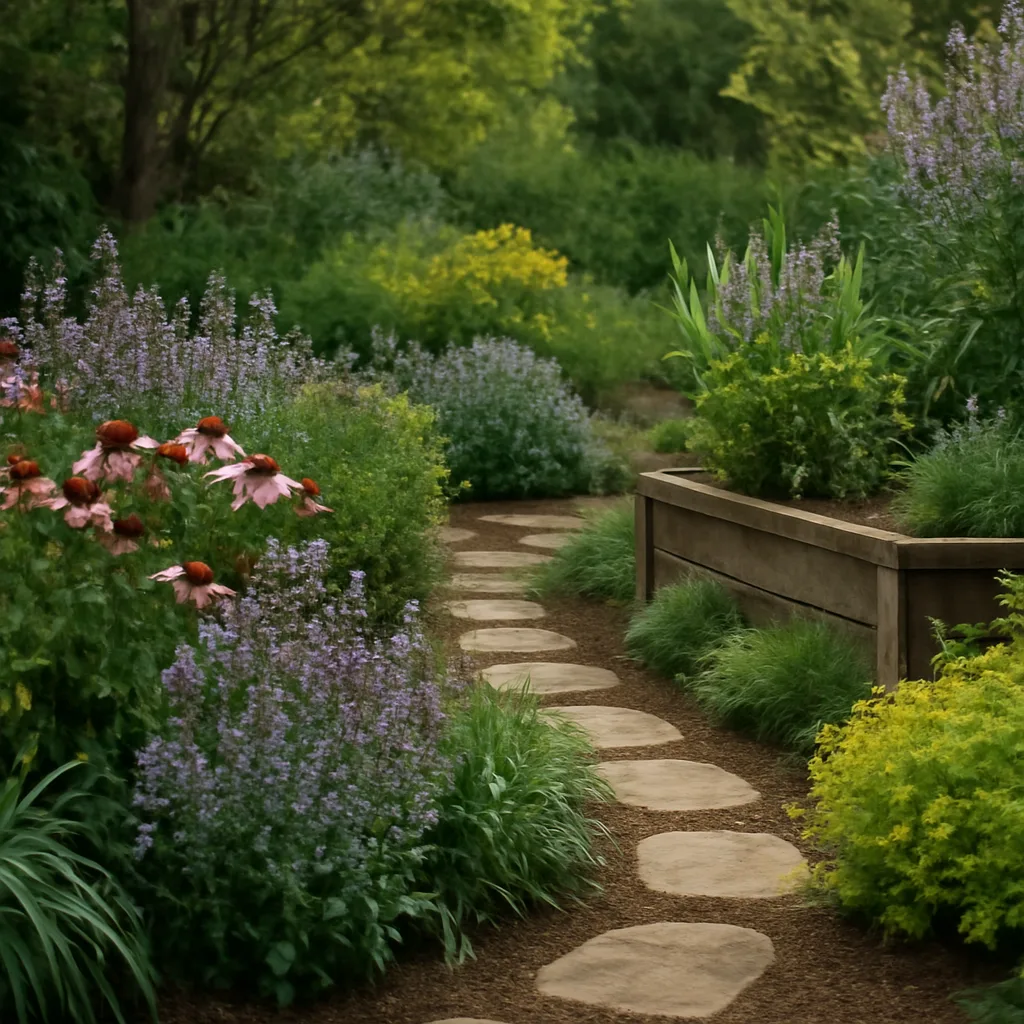
Maximizing Space with Smart Layouts
When working with a small garden, every inch counts. Think vertically by incorporating trellises, wall planters, and hanging baskets to expand planting areas upward rather than outward. Raised beds and tiered containers allow you to grow more plants without taking up significant ground space. Use movable furniture or foldable elements to keep the area flexible and uncluttered. Curved or diagonal pathways can also make the garden seem larger and more inviting.
- Install trellises along fences to support climbing plants
- Use stacked or tiered planters for herbs and flowers
- Choose compact, multi-use furniture that can be stored away when needed
- Create a focal point, such as a small water feature or sculpture, to draw the eye
Selecting Plants for Small Urban Gardens
Choosing the right plants is crucial for urban gardens constrained by space and often affected by microclimates. Opt for compact or dwarf varieties of shrubs and trees that won't overwhelm the area. Container-friendly plants with manageable root systems are ideal. Consider plants with multiple seasonal interests like flowers, foliage color, or texture to keep your garden engaging year-round. Incorporate herbs and edible plants to combine aesthetics with utility.
- Compact shrubs such as dwarf boxwoods or small ornamental grasses
- Vertical climbers like clematis or ivy for wall coverage
- Herbs including basil, thyme, and chives suited to pots
- Succulents and drought-tolerant perennials for easy care
Soil and Container Choices for Urban Settings
Urban soil can sometimes be poor in quality or contaminated, so using quality soil or potting mixes is often necessary. Ensure containers have proper drainage to prevent root rot. Choose lightweight materials like fiberglass or resin for easy movement but consider ceramic or terracotta for their breathability. Grouping containers with similar watering needs simplifies maintenance. Adding organic matter or compost can improve soil fertility and moisture retention.
- Use well-draining, nutrient-rich potting mix
- Select containers with sufficient drainage holes
- Incorporate compost to enrich soil quality
- Group plants by water and sunlight requirements
Light and Water Strategies
Urban gardens can experience varying light conditions due to shadowed buildings or reflective surfaces. Observe your space throughout the day to understand sunlight patterns. Place sun-loving plants in the brightest spots and shade-tolerant ones elsewhere. Watering small gardens efficiently involves using drip irrigation or self-watering containers to conserve water and reduce maintenance. Regularly check moisture levels to prevent over- or under-watering.
- Map sunlight exposure before finalizing plant placement
- Use self-watering pots or drip lines for consistent moisture
- Select drought-tolerant plants for sun-exposed areas
- Mulch soil surfaces to reduce evaporation
Creating Seasonal Interest and Wildlife Habitat
To keep a small urban garden lively throughout the year, choose plants with staggered bloom periods and varied foliage colors. Adding native plants improves local biodiversity and supports pollinators like bees and butterflies. Even small water sources or nesting boxes can welcome beneficial wildlife. Incorporating aromatic herbs and flowers can also enhance your sensory garden experience.
- Plant early, mid, and late-season bloomers
- Include native flowering plants to attract pollinators
- Add a small birdbath or insect hotel
- Use herbs such as lavender or mint for scent and pollinator benefits
Discover more
Choosing the Right Soil for Your Garden
Learn how to identify soil types and use amendments to create the ideal growing environment for your plants.
Seasonal Pruning Tips for Healthy Growth
Learn effective pruning schedules and techniques to enhance plant health and flowering throughout the seasons.
Creating Pollinator-Friendly Gardens
Learn how to select plants and garden features that welcome and support bees, butterflies, and other beneficial pollinators to your garden.
Sustainable Gardening Practices to Reduce Waste
Explore effective composting, water-saving techniques, and eco-friendly pest control methods for greener gardens.
Guide to Indoor Plant Care
Essential tips on light, watering, and humidity for thriving indoor plants. Learn to create the perfect environment for your green companions.
Common Garden Pests and How to Manage Them
Identify typical garden pests and discover effective natural control methods to keep your plants healthy and thriving.